
Pressure equipments are work equipment operating under the influence of internal pressure and temperature, which can pose significant risks in the event of failure or non-compliance. Periodic inspections of this equipment are conducted in accordance with the Health and Safety Conditions in the Use of Work Equipment, the Pressure Equipment Directive (PED), relevant international standards, and legal requirements.
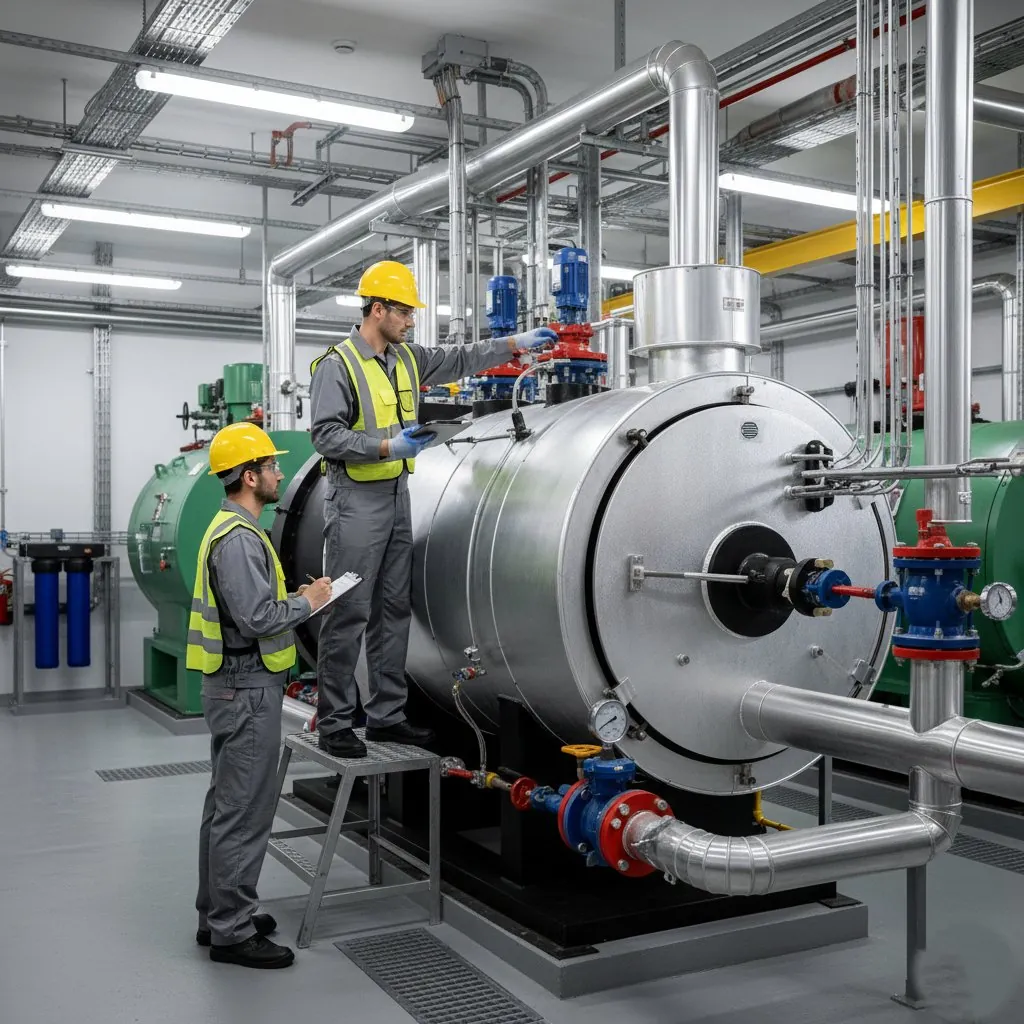
1. Periodic Inspection Criteria
The following technical and safety criteria are taken as a basis for the periodic inspections of pressure equipments:
- Design and Manufacturing Compliance: The equipment's design pressure, operating pressure, maximum temperature ratings, volume, and material specifications are meticulously verified against the manufacturer’s technical documentation and international standards (e.g., EN 13445, ASME).
- Mechanical Integrity and Strength: The vessel shell, welded joints, flanges, covers, and fasteners are meticulously evaluated for signs of deformation, cracks, corrosion, and wear to ensure structural durability under pressure.
- Pressure Safety Systems: The compliance, set values, and operational functionality of safety relief valves, pressure discharge devices, pressure gauges (manometers), and control sensors are meticulously inspected and verified against design specifications.
- Tightness and Insulation: The sealing performance of gaskets, flanges, and connection points is evaluated under operational pressure and temperature. Additionally, the condition of thermal insulation is inspected to ensure energy efficiency and personnel safety.
- Marking and Technical Documentation: Capacity specifications, operating limits (pressure and temperature), CE marking, periodic inspection history, and the overall compliance of the technical file are thoroughly examined in line with regulatory requirements.
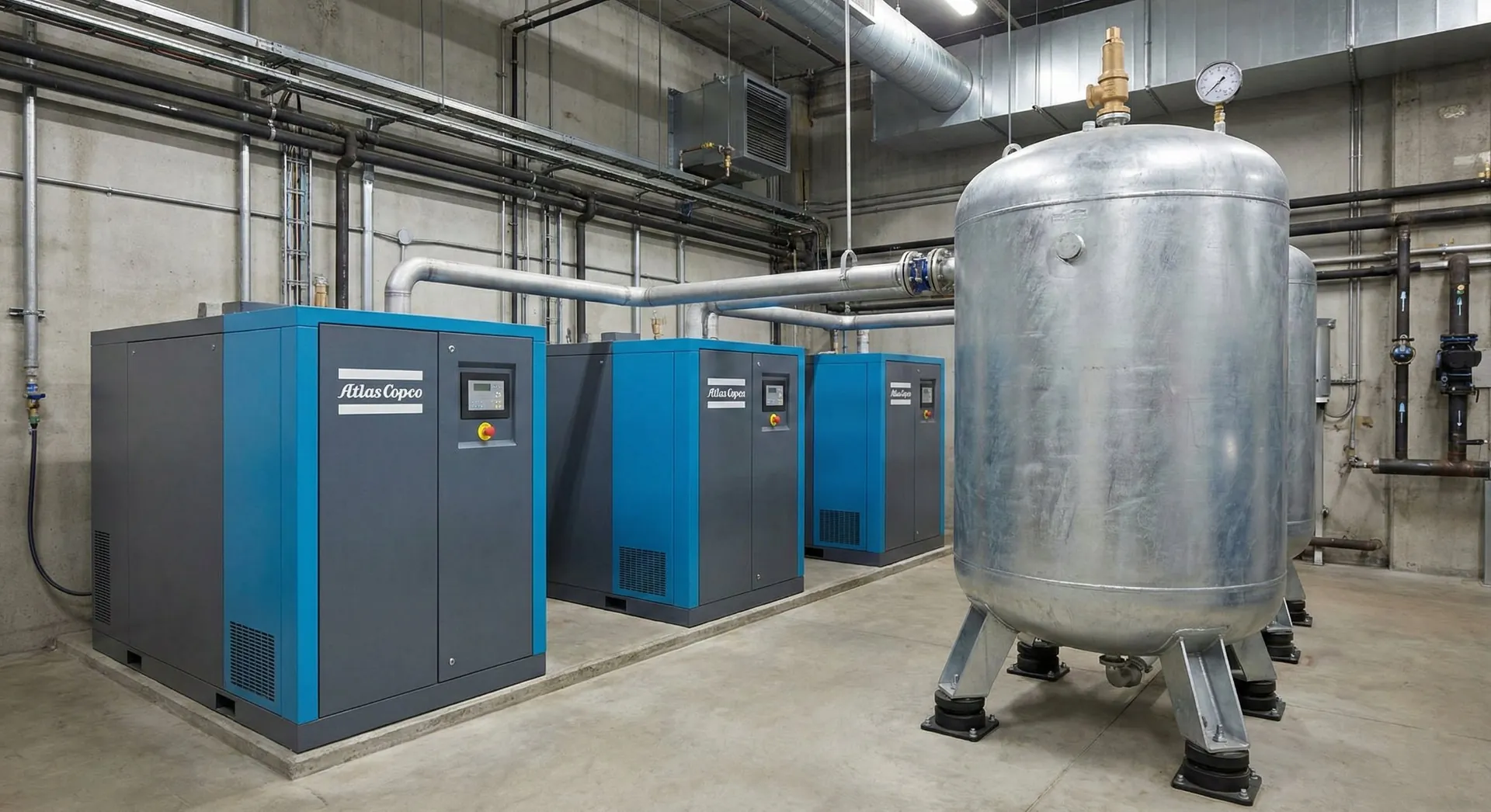
2. Periodic Inspection Methods
Periodic inspection activities are carried out in an impartial, independent, and traceable manner using the following methods:
- Visual Inspection: All accessible internal and external surfaces of pressure vessels and cylindrical boilers are visually inspected to evaluate their mechanical and structural integrity, identifying any potential flaws, wear, or damage.
- Functional Testing: The operational functionality of safety relief valves, pressure and temperature control systems, and automatic shutdown mechanisms is rigorously tested to ensure they respond correctly under critical conditions.
- Measurement and Comparison: Critical pressure and temperature values are measured using certified, calibrated instruments. The results are then compared against the equipment's design specifications and operating limits to ensure safety margins are maintained.
- Hydrostatic Testing: When required by regulations, international standards, or specific risk assessments, a hydrostatic strength test is performed at the designated test pressure to verify the vessel's pressure-retaining integrity.
- Engineering Evaluation: All gathered data and test results are meticulously analyzed in accordance with engineering calculations and international standard criteria to establish a final compliance decision.
3. Reporting and Compliance Decision
The report prepared as a result of the periodic inspection clearly includes the applied control methods, measurement results, regulatory and standard references, and the compliance status. The compliance decision is made solely based on objective technical data and measurable criteria.
Conclusion: Periodic inspections of pressure equipments are conducted in accordance with the principles of technical competence, impartiality, and reliability, aiming to ensure the safe operation of equipment and the prevention of pressure-related risks.