
Machine tools are critical mechanical equipment in terms of operator safety and product quality during the processing of metal, wood, or other materials. Periodic inspections of these machines are carried out in accordance with the Health and Safety Requirements for the Use of Work Equipment and relevant international standards.
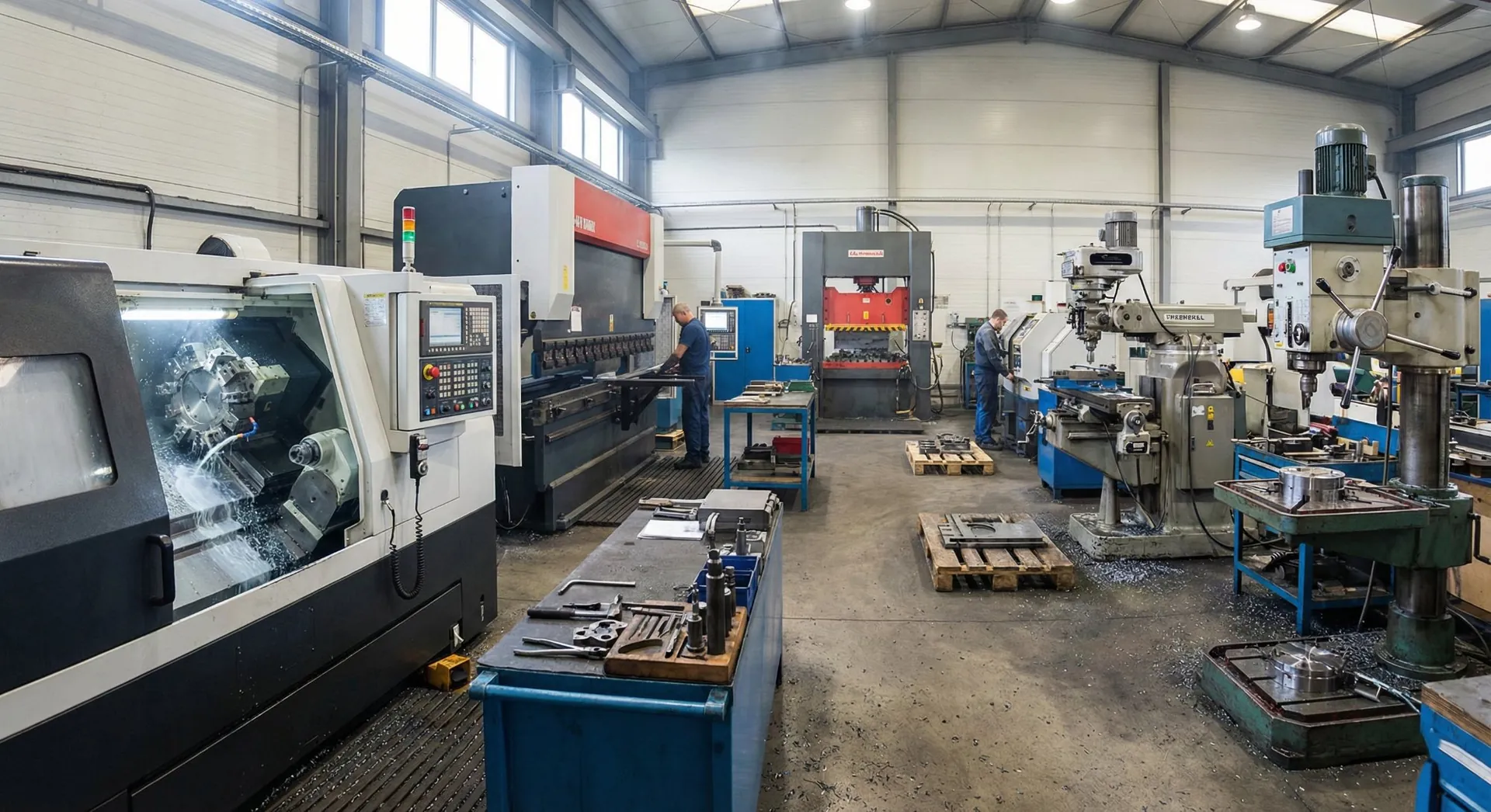
1. Periodic Inspection Criteria
The following technical and safety criteria are taken as a basis for the periodic inspection of machine tools:
- Mechanical Structure and Body Integrity: Inspection of the table, columns, body, and support elements for deformation, cracks, or corrosion.
- Moving Parts and Drive Systems: Evaluation of the mechanical alignment, wear, and vibration status of shafts, belts, gears, motors, and gearbox systems.
- Braking and Locking Systems: Testing the safety locking functions of machine tables, spindles, or moved components.
- Safety and Protective Elements: Inspection of head guards, chip and particle shields, emergency stop buttons, and visual/acoustic warning systems.
- Electrical and Control Systems: Examination of electrical motors, wiring, switches, and control panels for compliance, insulation, and functionality.
- Marking and Technical Documentation: Verification of warning labels, capacity plates, and the up-to-date status of operating instructions.
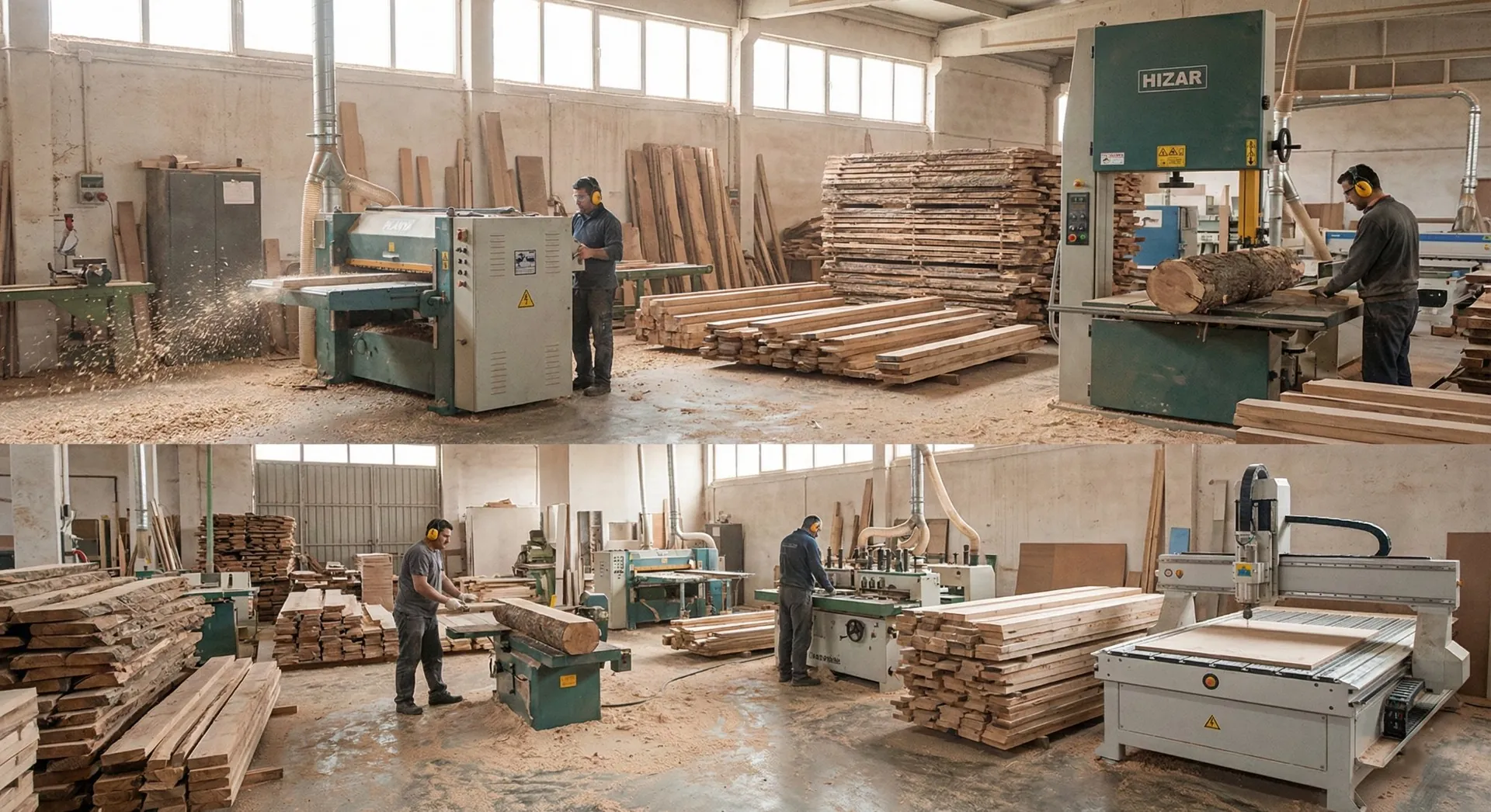
2. Periodic Inspection Methods
Periodic inspection activities are carried out in an impartial, independent, and traceable manner using the following methods:
- Visual Inspection: Evaluation of mechanical integrity by inspecting the body, table, drive systems, and protective elements.
- Functional Tests: Verification of proper operation by testing all movements of the machine tool under nominal operating conditions.
- Electrical and Safety Tests: Testing the functionality of the emergency stop system, grounding, motor performance, and control panels.
- Engineering Evaluation: Analysis of all obtained data according to engineering calculations and standard criteria to form a compliance decision.
3. Reporting and Compliance Decision
The report prepared as a result of the periodic inspection clearly includes the applied control methods, measurement results, regulatory and standard references, and the compliance status. The compliance decision is made solely based on objective technical data and measurable criteria.
Conclusion: Periodic inspections of machine tools are carried out in accordance with the principles of independence, impartiality, and technical competence to ensure the continuous safety of operators and production quality.