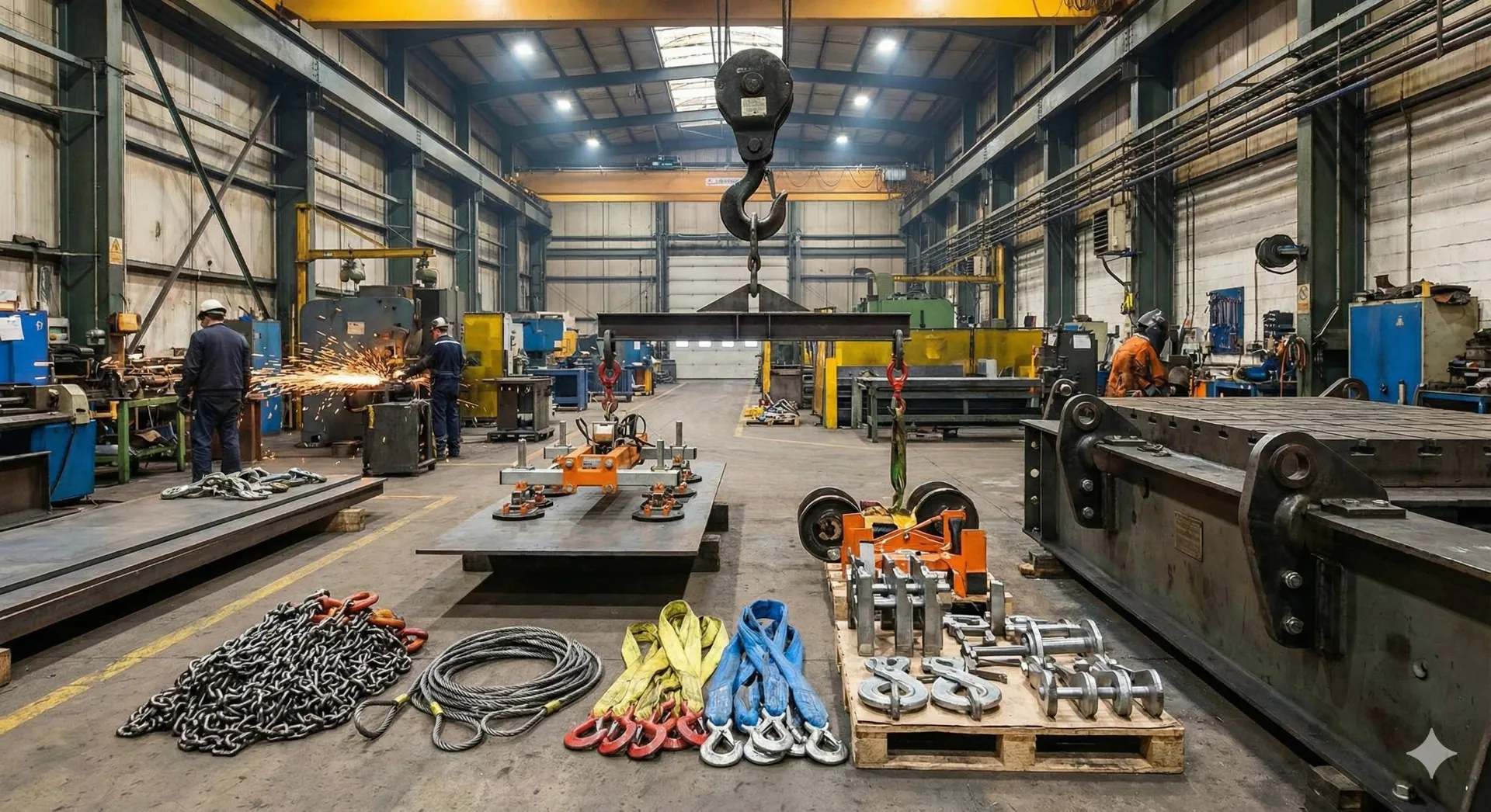
Lifting and moving devices are work equipment used for lifting, transporting, and positioning loads, which can lead to serious occupational accidents in case of failure or non-compliance. Periodic inspections of these machines are conducted in accordance with the Health and Safety Conditions in the Use of Work Equipment Directive, relevant standards, and legal requirements.

1. Periodic Inspection Criteria
The following criteria are taken as a basis for the periodic inspections of lifting and moving devices:
- Design and Capacity Compliance: The nominal lifting capacity, load charts, duty class, and intended use are compared against the manufacturer's technical documentation and relevant international standards.
- Mechanical Integrity: The main structural frame, boom, mast, bridge, wire ropes, chains, hooks, sheaves, and connection fasteners are evaluated for deformation, cracks, wear, and corrosion.
- Load-Bearing Elements: The diameter, wear rates, locking mechanisms, and safety latches of wire ropes, chains, and hooks are meticulously inspected.
- Drive and Braking Systems: The smoothness of lifting, lowering, traveling, and slewing motions, as well as the effectiveness of the braking systems, are evaluated.
- Electrical and Control Systems: The electrical panel, wiring, control pendants/remotes, and overall control systems are inspected for functionality and safety.
- Safety and Limiting Systems: The operability of overload limiters, upper/lower limit switches, emergency stop systems, and warning mechanisms (audible/visual) is verified.
- Marking and Documentation: The adequacy of capacity plates, warning signs, operating instructions, and previous periodic inspection records is evaluated.

2. Periodic Inspection Methods
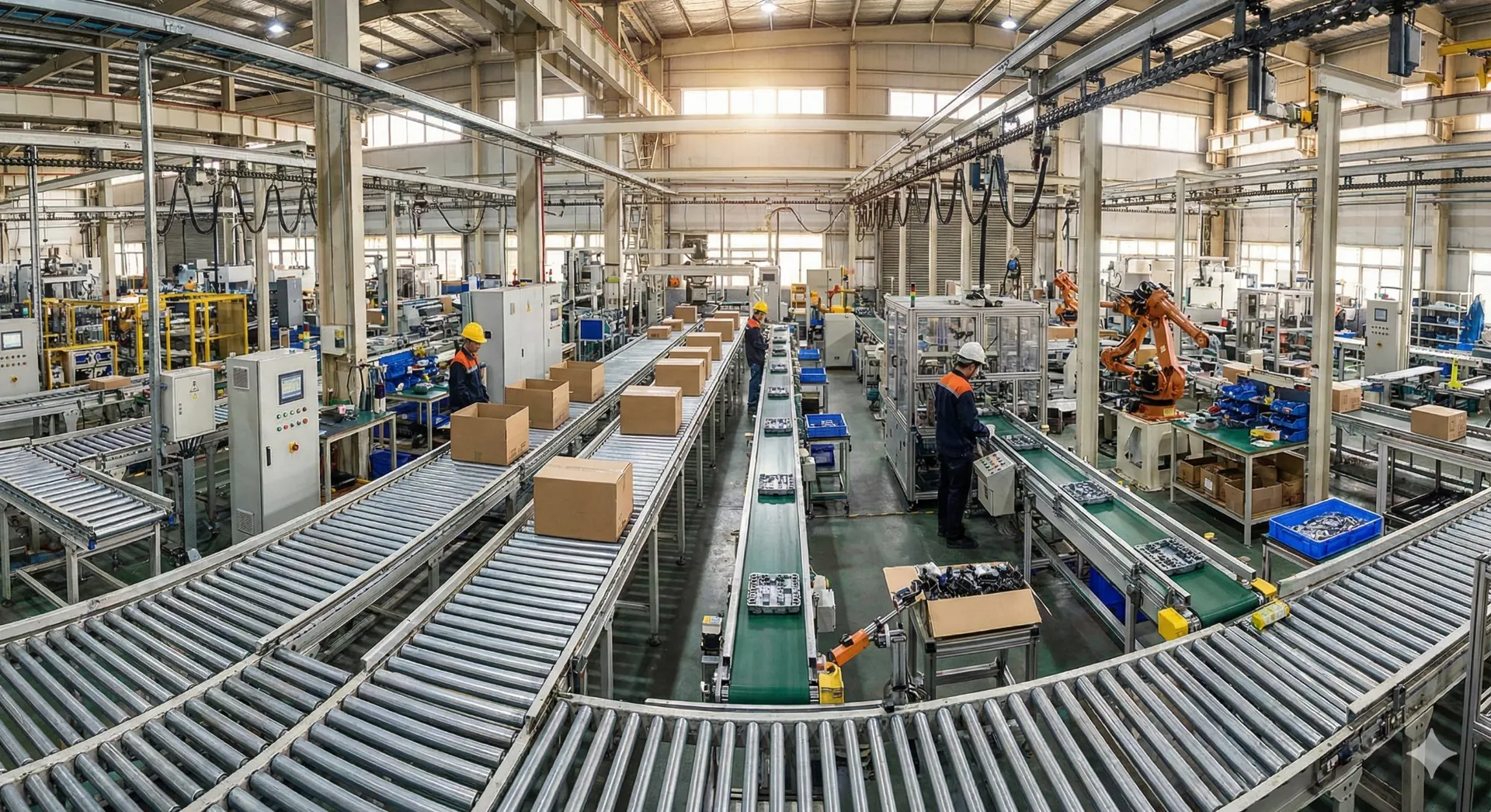
Periodic inspection activities are conducted in an impartial, independent, and traceable manner using the following methods:
- Visual Inspection: All mechanical, structural, and safety components are visually inspected to evaluate physical compliance and integrity.
- Functional Testing: Lifting, lowering, and traveling motions are tested under nominal load to verify the proper operation of all systems.
- Measurement and Comparison: Wire rope diameters, wear rates, and other critical dimensions are measured with calibrated equipment and compared against allowable limit values.
- Static Load Test: In accordance with regulations and relevant standards, the structural integrity and lifting capacity of the equipment are verified using the designated test load (typically 1.25 times the rated capacity).
- Dynamic Load Test: Operational safety is evaluated by testing movement, braking, and control systems while the equipment is functioning under a dynamic test load (typically 1.1 times the rated capacity).
- Engineering Evaluation: All gathered data and test results are analyzed in accordance with engineering calculations and standard criteria to establish a final compliance decision.
3. Reporting and Compliance Decision
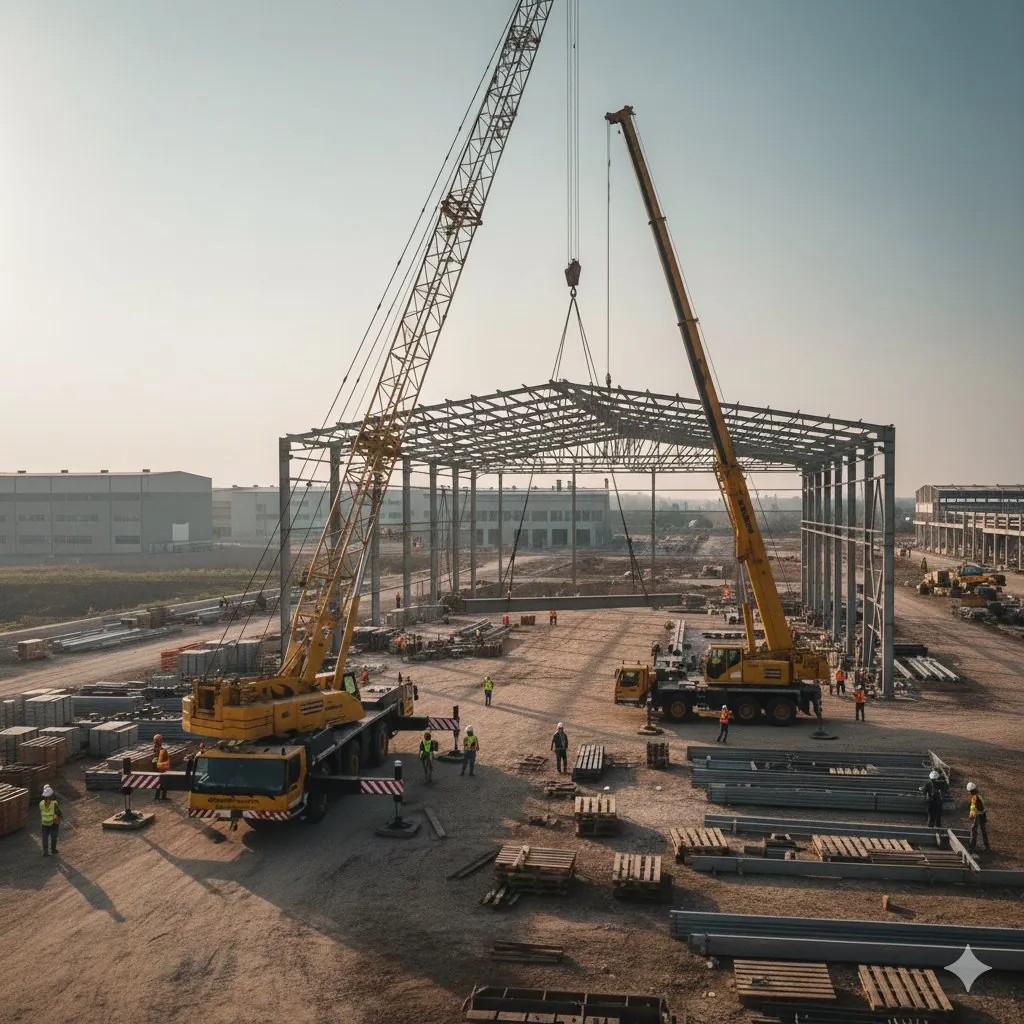
The report prepared following the periodic inspection clearly includes the applied inspection methods, measurement results, regulatory and standard references, and the compliance status. The compliance decision is based solely on objective technical data and measurable criteria.
Conclusion: Periodic inspections of lifting and conveying machines are conducted in accordance with the principles of technical competence, impartiality, and reliability, aiming to ensure the safe operation of equipment and prevent risks associated with occupational accidents and load failures.